
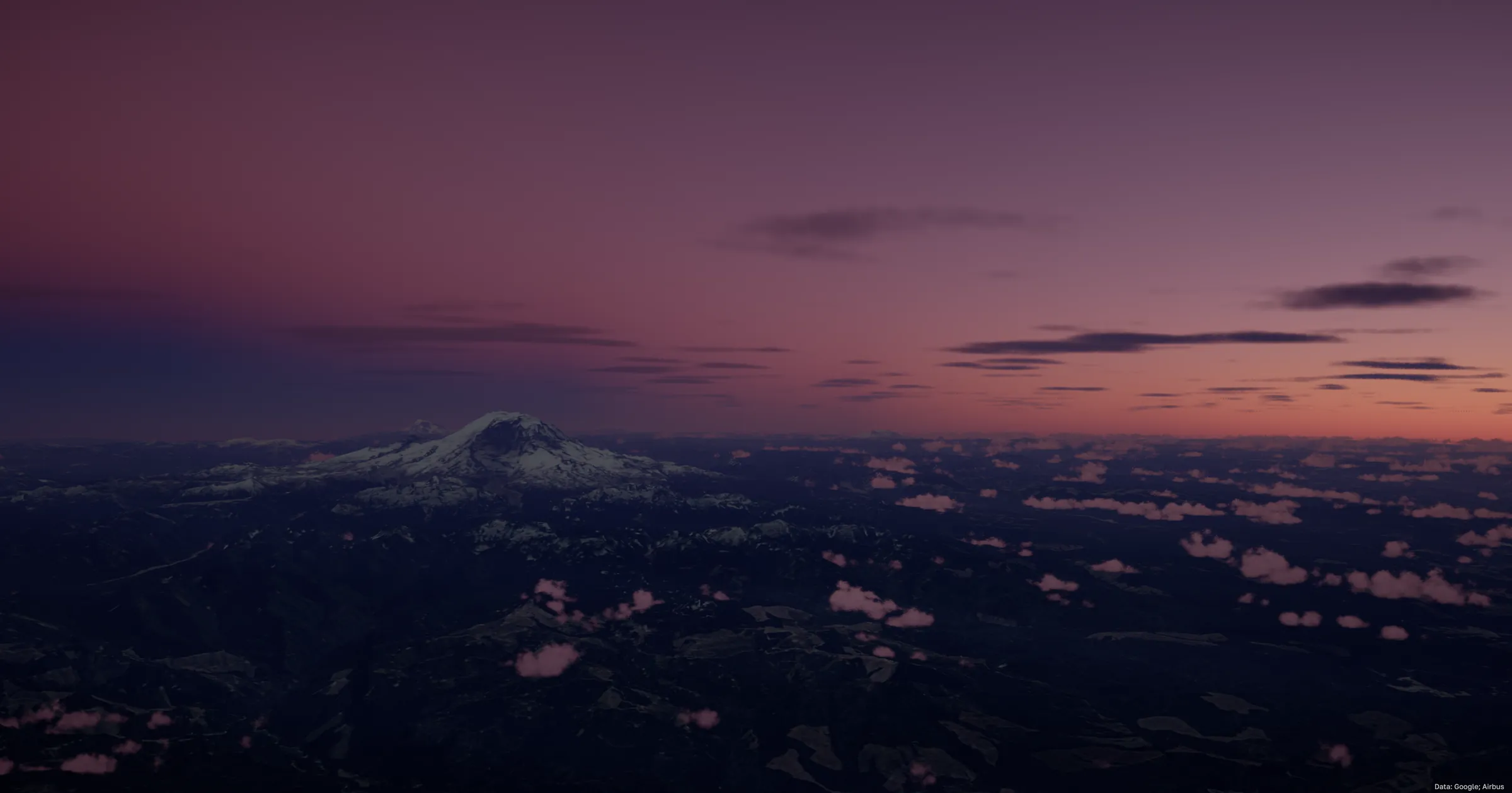
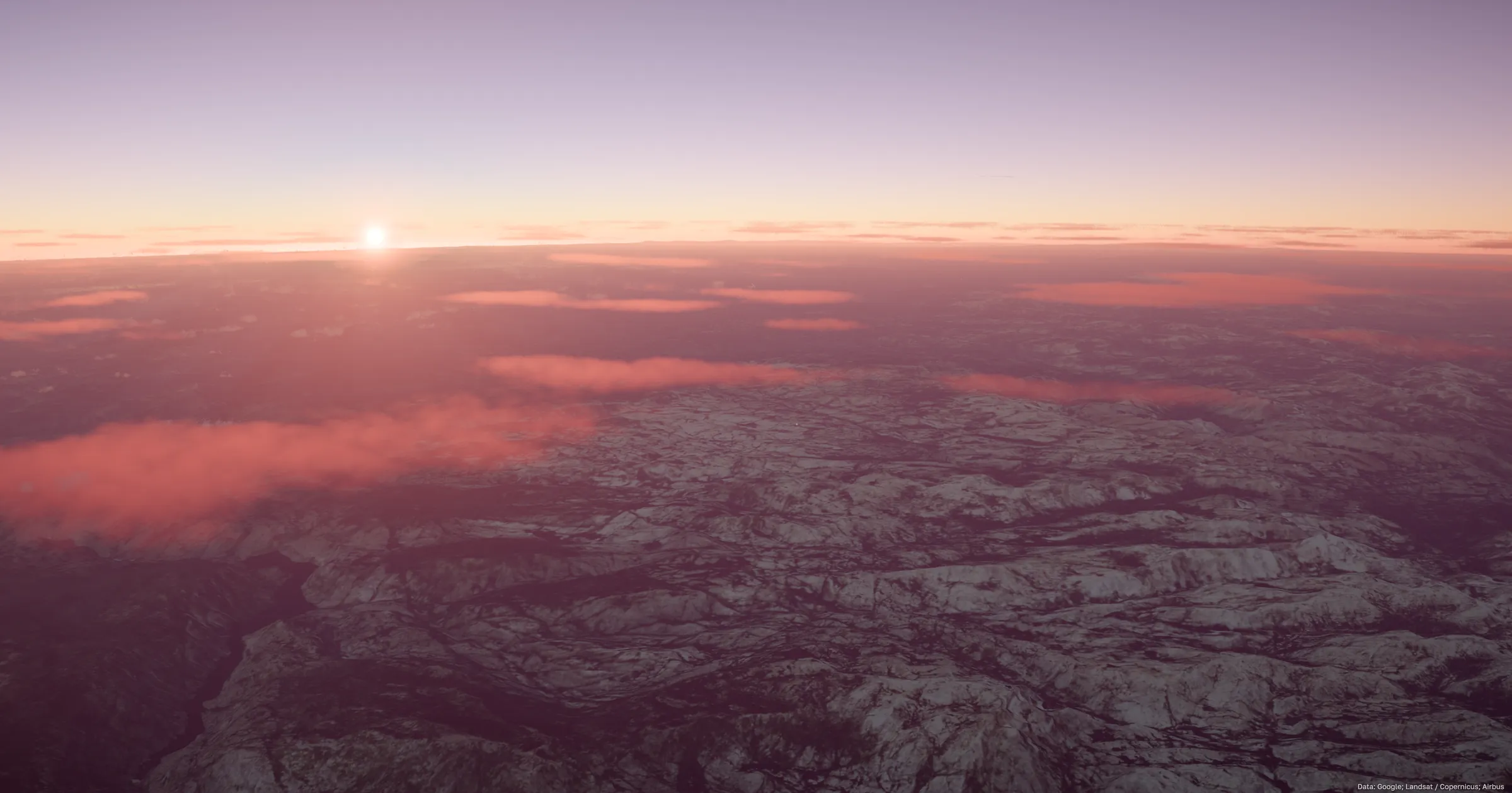
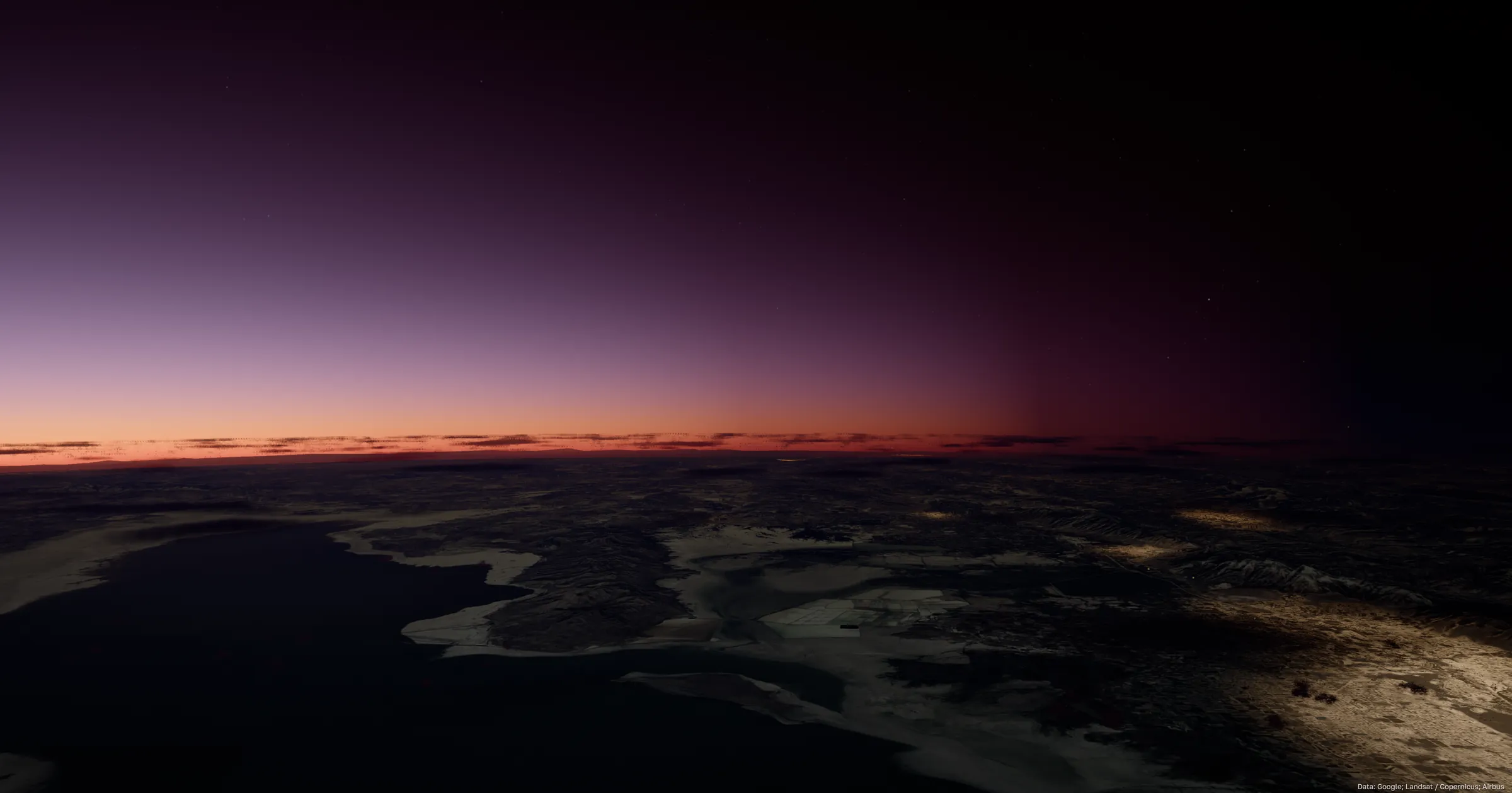
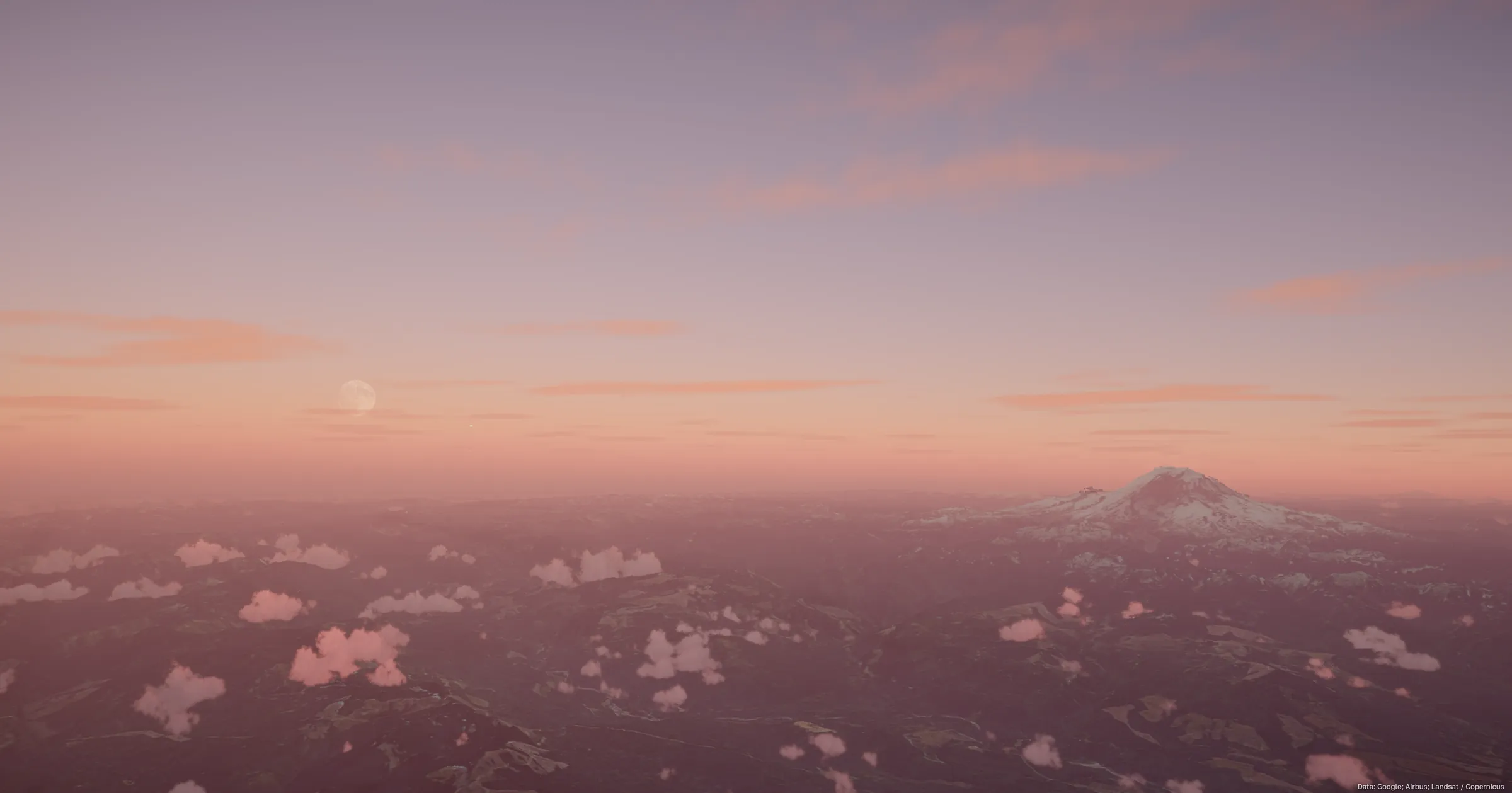
When I was a kid — back when traveling still felt new and exciting — I’d see a plane crossing the early evening sky and try to put myself in it. Not to go anywhere in particular. I just wanted to know what the world looked like from up there, right then, to whoever was sitting by that window.
The feeling was strongest at sunset. I’d be watching a good one from the ground and think about how much better it had to be from up there, above the haze, with the light coming in level. The same sunset, from a perspective I couldn’t reach.
Travel has lost most of that. Airports, security lines, delays: everything wrapped around flying has gotten steadily worse. But the flying itself hasn’t changed. An hour into a clear evening flight — forehead against the glass, looking down at a world you almost never see from that angle — is still one of the quietly moving experiences I know.
Stowaway is that part, without the rest of it.
The flight tracking underneath
If you’ve ever watched a flight tracker, you already know half of how Stowaway works. Aircraft broadcast their positions over ADS-B, a public radio signal, and volunteers all over the world share what their receivers hear. That feed is what every flight tracking site draws its moving icons from — and it’s exactly what Stowaway reads too. Same planes, same signals, same live positions.
The difference is the question being answered. A traditional flight tracker answers where is that plane? — and answers it well: a map, a dot, a route, an arrival time. Stowaway answers the question I was actually asking from the ground all those years ago: what does the world look like from up there, right now?
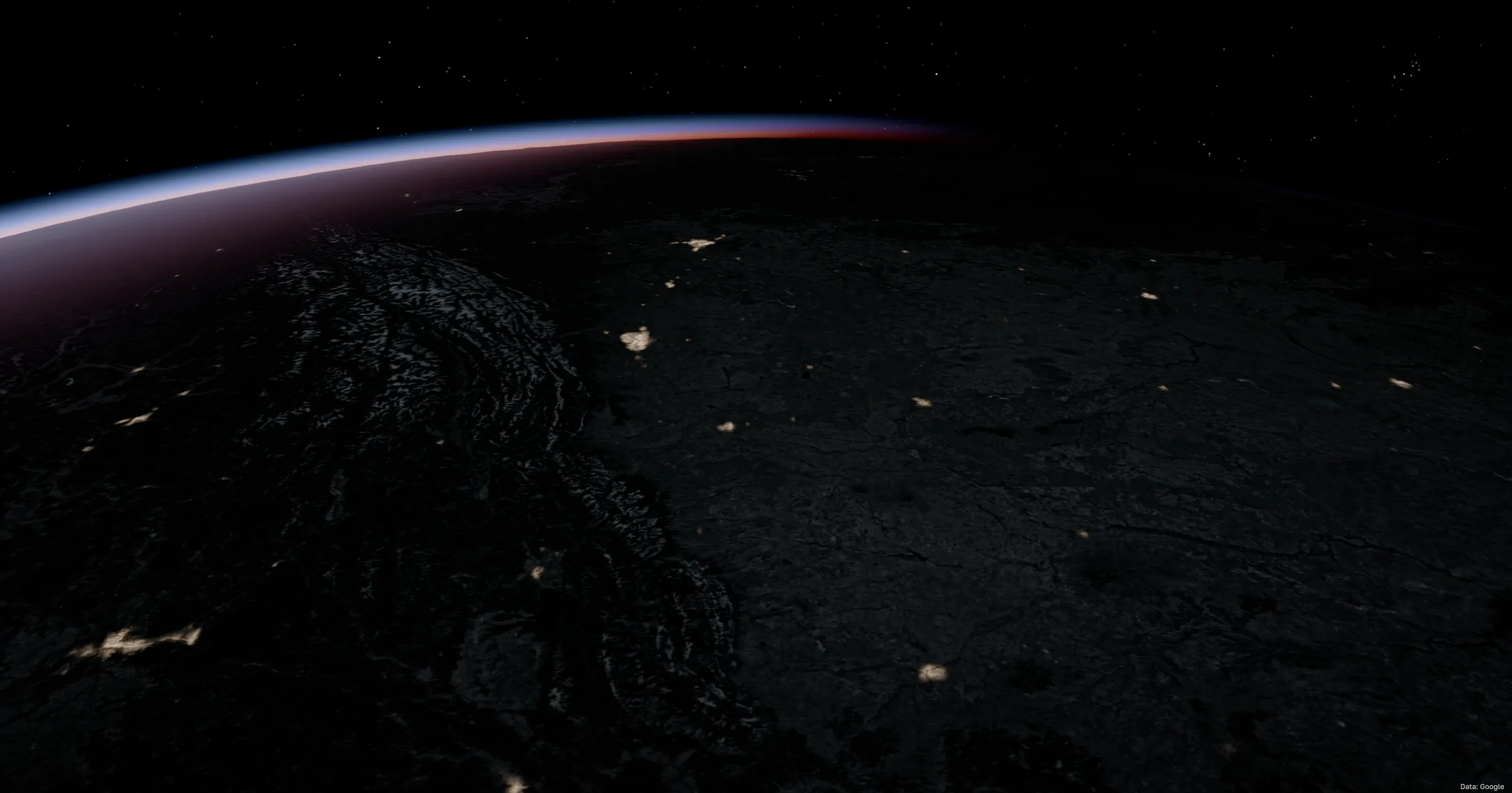
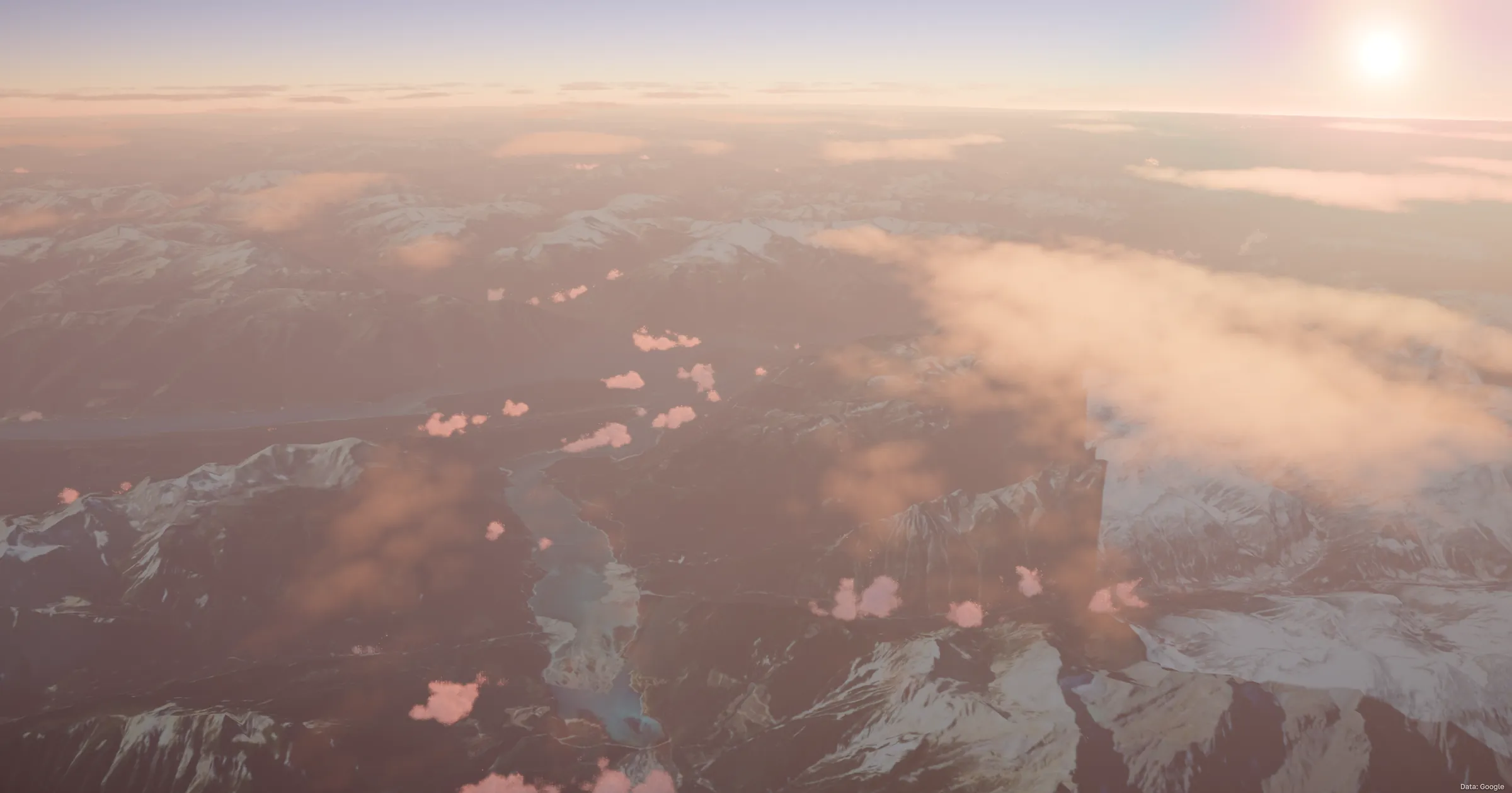
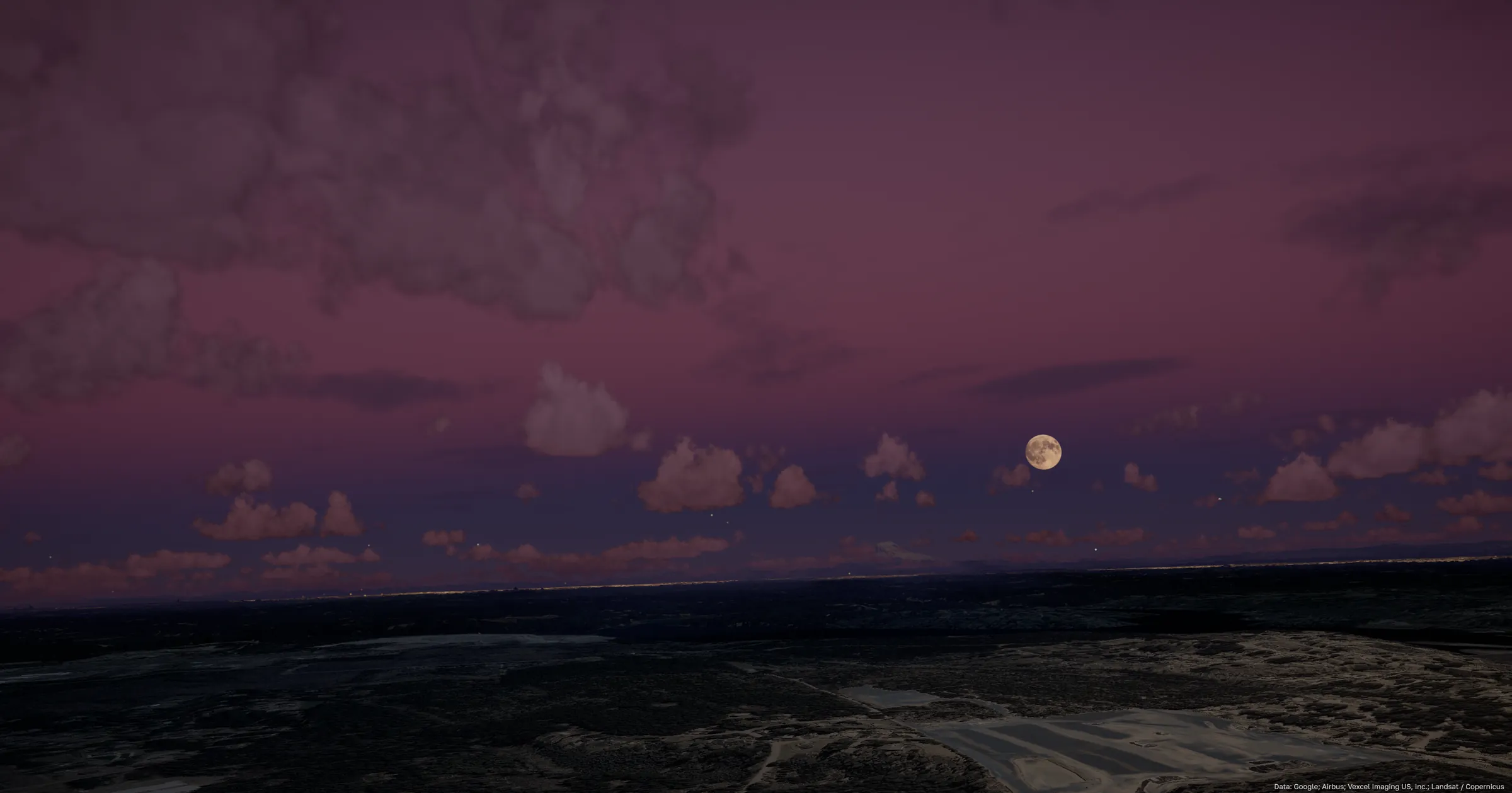
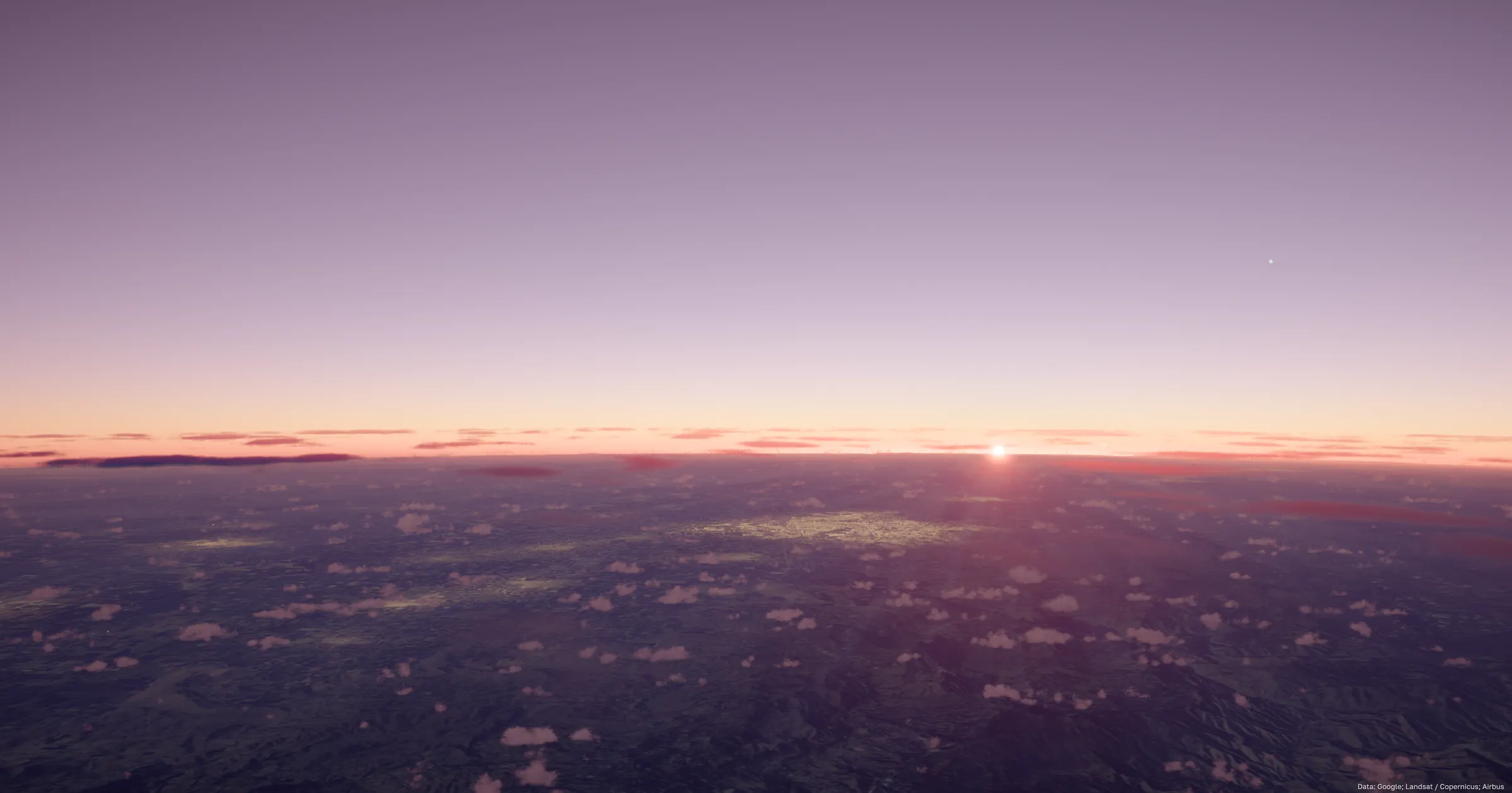
So instead of putting a dot on a map, it builds the view. The terrain that flight is crossing, the weather it’s flying through, the sun and the moon and the stars exactly where they are — rendered live, for the moment you’re watching, from the seat by the window. Flight tracking, turned ninety degrees: not looking down at the plane, but looking out of it.
It’s a rendering, not a camera feed, and it matters to say that plainly. But nothing in it is invented. These are real flights, with real people aboard, going somewhere specific — and the moment you know the sunset on your screen is the one actually coming through that cabin window, the picture stops being a screensaver and becomes a place.
Go before the light changes
Pick any aircraft — or satellite — actually passing over your house right now, and go sit in its window seat. No account, nothing to install, nothing to pay.
If you’re lucky, it’s sunset up there.